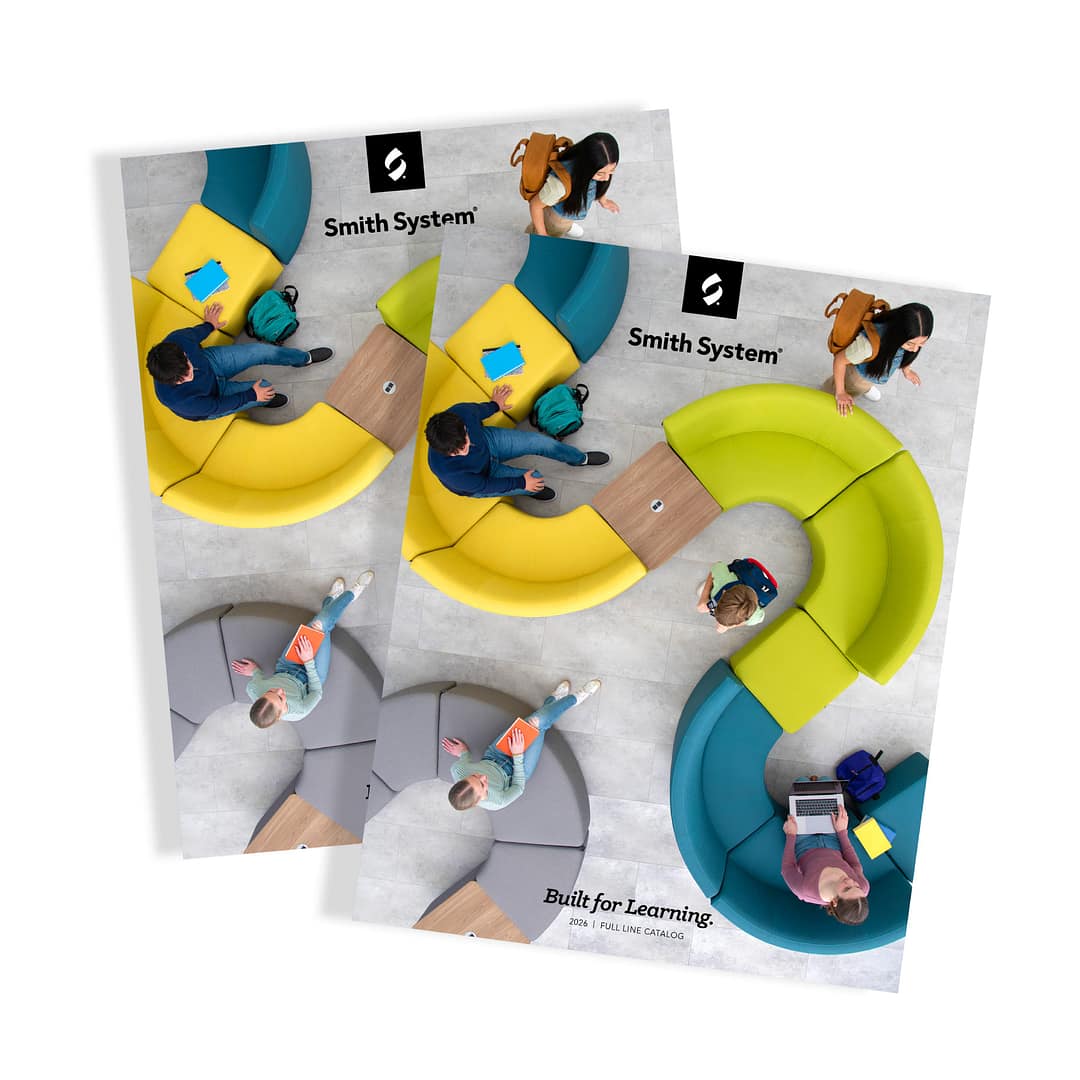
Designing Classrooms Around How Students Learn: The 4 Pillars
May 14, 2026
Every student learns differently, and today’s classrooms should reflect that. Explore the 4 Pillars of Student Learning Behaviors and discover how intentional learning environments can better support movement, collaboration, independence, and student success.

Student-Centered Layouts & Storytelling
May 5, 2026
Student-centered layouts turn the classroom into a story students actively shape. By prioritizing flexibility, choice, and movement, these environments empower learners to engage more deeply, collaborate naturally, and take ownership of their learning experience.

Dynamic Smith System Furniture Pairings that Level Up Student Learning
March 31, 2026
Discover how pairing school furniture can transform learning spaces. Small, intentional groupings boost engagement, collaboration, and student success from preschool through high school.

Future-Ready Learning 2.0: Designing Spaces That Evolve as Fast as Students
January 13, 2026
Explore Future-Ready Learning 2.0 and how flexible spaces, student-centered design, and furniture support the skills students need today.

Beyond the Desk: How Intentional Design Transforms Career and Technical Education
December 15, 2025
CTE programs prepare students to be adaptive, collaborative problem-solvers—not just job-ready. While curriculum defines the “what,” the learning environment shapes the “how,” making classroom design a critical part of student success.
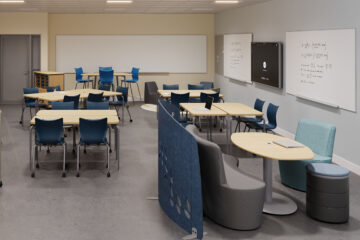
The UDL Blueprint: Furniture That Teaches and Transforms
December 8, 2025
UDL challenges us to stop trying to “fix” students and instead design environments that remove barriers to learning. Often, the first barrier isn’t instruction—it’s the physical space. Furniture plays a pivotal role in transforming a static room into an adaptable, inclusive environment. When seating, desks, and storage are chosen with purpose, they become tools that actively support UDL’s core principles: Representation, Engagement, and Action & Expression.
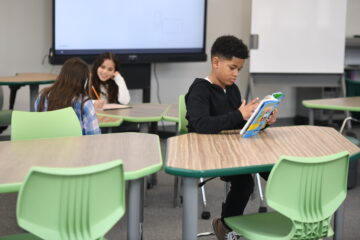
The Furniture Formula: How Layout Affects Learning Outcomes
October 8, 2025
Where students learn matters. Explore how flexible classroom design can shape focus, collaboration, and well-being—turning space into a tool for learning.
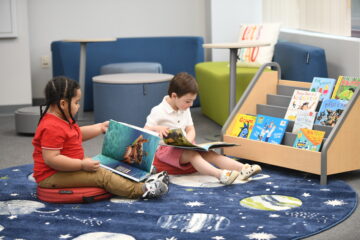
The Power of Play: Building a Strong Foundation in Early Childhood
September 17, 2025
How does play fuels early childhood development? Explore expert insights, practical tips, and inspiring classroom ideas to create playful learning environments that spark curiosity, creativity, and collaboration in young learners.
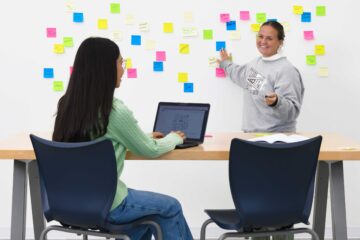
Higher Education Design: Six Learning Environments Every Campus Needs. Now.
June 6, 2025
Explore six essential higher education spaces. From flexible classrooms to esports labs, discover how Smith System furniture supports student success through thoughtful, student-centered design.

Students are Clamoring for CTE
April 4, 2025
Discover how to design dynamic Career and Technical Education (CTE) classrooms that empower students with real-world skills. Learn how flexible, hands-on environments can prepare middle and high schoolers for career success across diverse pathways.
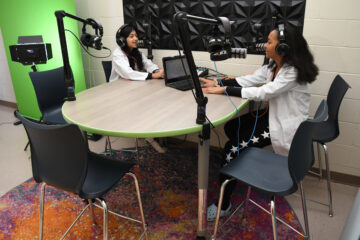
The Alphas Have Landed
April 1, 2025
Step aside Gen Z. There’s a new kid in town: Generation Alpha, or Gen A for short. They’re a savvy bunch, and K-12 educators are scrambling to crack the code on how to keep them engaged and excited to learn.
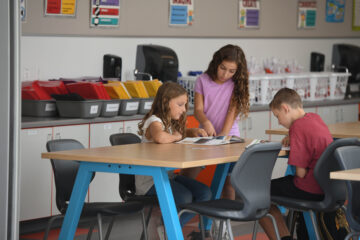
Creating Spaces That Inspire Young Minds: Designing for Elementary Schools
March 5, 2025
Smith System believes a child’s education begins with the environment they learn in. Elementary classrooms should spark curiosity, nurture creativity, and support lifelong learning. That’s why Smith System designs adaptable, inspiring furniture to help educators create spaces that grow with their students. Thoughtful classroom design enhances focus, collaboration, and movement—key elements in supporting young learners’ development.